Plasmapheresis for Anemia: What the Evidence Says About Risks, Benefits, and Safety
5 min read
AUTHOR

MEDICALLY REVIEWED BY


Anemia - a condition characterized by insufficient healthy red blood cells to carry oxygen to body tissues - affects an estimated one-third of the global population and arises from a wide variety of underlying causes. For most people, standard treatments such as iron supplementation, vitamin replacement, or immunosuppressive medications are sufficient. But for a subset of patients whose anemia is driven by autoimmune mechanisms, thrombotic processes, or antibody-mediated destruction of red blood cells, conventional approaches may fall short.
This is where plasmapheresis for anemia enters the clinical picture. Plasmapheresis - also called therapeutic plasma exchange (TPE) - is a procedure in which blood is drawn from the body, its plasma separated and removed, and the cellular components returned to the patient along with a replacement fluid. By removing pathological proteins, autoantibodies, and immune complexes from circulation, plasma exchange for anemia may offer a targeted intervention for specific, difficult-to-treat subtypes.
This article reviews the evidence on plasmapheresis for anemia: which types of anemia may respond to this approach, how the procedure works, what the clinical research shows, and what risks and safety considerations patients and clinicians should weigh carefully.
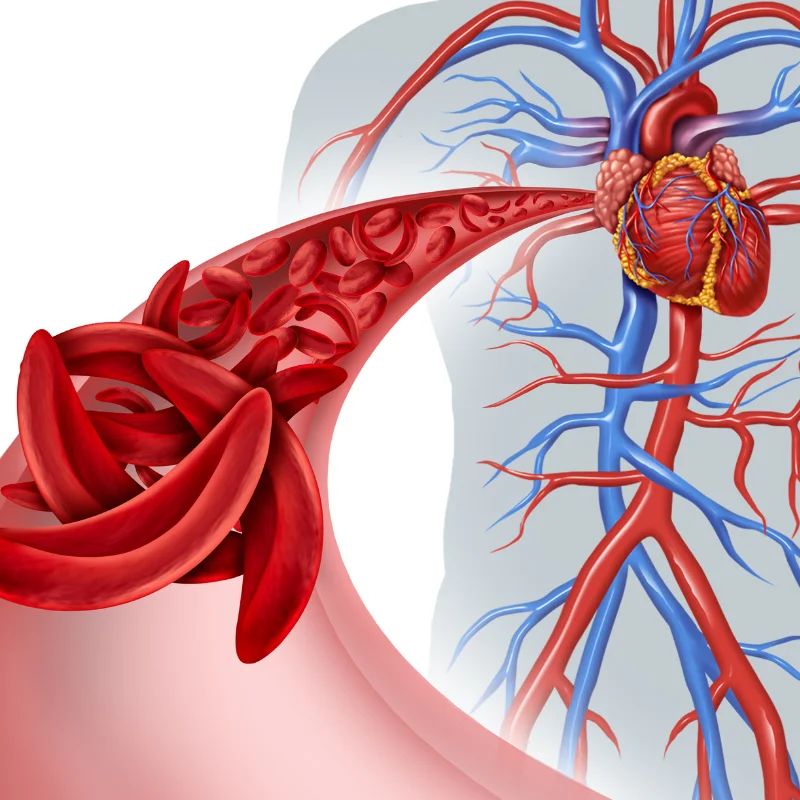
What Types of Anemia May Be Addressed with Plasmapheresis?
Plasmapheresis is not a treatment for all forms of anemia. Its potential utility is specifically limited to anemias with an immune, antibody-mediated, or thrombotic pathophysiology. Understanding these distinctions is essential for appropriate patient selection.
Autoimmune Hemolytic Anemia (AIHA)
Autoimmune hemolytic anemia is a condition in which the immune system produces antibodies that mistakenly target and destroy the body's own red blood cells. AIHA may be warm-type (IgG-mediated), cold-type (IgM-mediated), or mixed. In cases that are severe, refractory to first-line treatment, or life-threatening, plasmapheresis autoimmune hemolytic anemia management may be considered as an adjunctive or bridge therapy.
A 2020 systematic review and meta-analysis of 13 randomized controlled trials involving 906 patients found that therapeutic plasma exchange was associated with increased remission incidence (risk ratio 1.22, 95% CI 1.15–1.30) and improved hematological parameters in AIHA (Deng et al., Journal of Clinical Apheresis, 2020). The authors note, however, that findings should be interpreted with caution given methodological heterogeneity among the included trials.
A 2023 analysis of the National Inpatient Sample identified 255 weighted hospitalizations in which TPE was used for severe AIHA. The study found that TPE use in this population was associated with complex clinical trajectories, underscoring the importance of careful patient selection rather than routine application (Abdelhay et al., Transfusion, 2023). A contemporaneous review by Mulder et al. (Frontiers in Immunology, 2023) further contextualizes severe AIHA management, noting that while plasma exchange may be used in refractory cases, novel therapies such as complement inhibitors are emerging as alternatives.
Thrombotic Thrombocytopenic Purpura (TTP) and Microangiopathic Hemolytic Anemia
Thrombotic thrombocytopenic purpura is one of the clearest evidence-based indications for plasma exchange for anemia. TTP is characterized by microangiopathic hemolytic anemia (MAHA), thrombocytopenia, and organ damage resulting from severe deficiency of ADAMTS13 - an enzyme that cleaves von Willebrand factor multimers. Without adequate ADAMTS13, platelet-rich thrombi form in microvasculature, mechanically destroying red blood cells.
A retrospective multicenter study of 163 TTP patients across 10 centers found that therapeutic plasma exchange achieved complete response in 85.3% of cases (Korkmaz et al., Transfusion and Apheresis Science, 2013). Plasma exchange benefits TTP by removing the autoantibody inhibiting ADAMTS13 while simultaneously replenishing functional ADAMTS13 via fresh frozen plasma replacement.
Mehmood, Taylor, and Winters (Hematology/Oncology Clinics of North America, 2016) provide a clinical framework distinguishing TTP-associated MAHA - where TPE is clearly indicated - from other thrombotic microangiopathies such as Shiga toxin-associated HUS, where the evidence for plasma exchange is considerably weaker.
Pure Red Cell Aplasia (PRCA)
Pure red cell aplasia is a rare bone marrow disorder in which erythroid precursors are selectively suppressed, producing anemia with near-absent reticulocytes. In antibody-mediated PRCA - particularly when associated with systemic lupus erythematosus - plasmapheresis has been reported to achieve normalization of erythropoiesis by removing the offending autoantibodies.
Choi and Yoo (Yonsei Medical Journal, 2002) documented complete clinical improvement and sustained normal hemoglobin levels in a patient with SLE-associated PRCA treated with plasmapheresis after failure of standard immunosuppressive therapies.
Types of Anemia for Which Plasmapheresis Is Generally Not Indicated
The American Society for Apheresis (ASFA) 2023 guidelines do not support the use of TPE for nutritional anemias (iron deficiency, vitamin B12 deficiency, folate deficiency), anemia of chronic disease, or standard aplastic anemia (Connelly-Smith et al., Journal of Clinical Apheresis, 2023). For these conditions, the underlying mechanism does not involve circulating pathological plasma components that TPE could meaningfully address.
How Does Plasma Exchange Work for Anemia?
In therapeutic plasma exchange, blood is withdrawn through a vascular access point and processed through a cell separator. The separator divides whole blood into plasma and cellular components - red blood cells, white blood cells, and platelets. The patient's plasma, which contains the pathological antibodies or proteins driving the anemia, is discarded and replaced with either fresh frozen plasma, albumin solution, or a combination. The reconstituted blood is returned to the patient.
For autoimmune and antibody-mediated anemias, the therapeutic rationale is direct: removing autoantibodies reduces the immune attack on red blood cells, allows existing erythrocytes to survive longer, and may create a window for other immunosuppressive therapies to become effective. For TTP, plasma exchange additionally replenishes functional ADAMTS13 through fresh frozen plasma.
A single session typically processes one to 1.5 plasma volumes and lasts two to four hours. The ASFA guidelines assign therapeutic apheresis indications to four categories: Category I (first-line therapy), Category II (second-line therapy), Category III (individualized decision warranted), and Category IV (evidence of ineffectiveness or harm). TTP with immune-mediated ADAMTS13 deficiency is classified as an ASFA Category I indication; AIHA is Category III (Connelly-Smith et al., Journal of Clinical Apheresis, 2023).
To learn more about the procedure itself, see our related article: What Is Plasmapheresis?
What Does the Clinical Evidence Say?
The evidence base for plasma exchange for anemia is heterogeneous - robust for TTP-associated MAHA, moderate and evolving for AIHA, and largely case-report-level for rare conditions such as PRCA.
A foundational review by von Baeyer (Therapeutic Apheresis and Dialysis, 2003) synthesized clinical outcome data for plasmapheresis across immune hematological disorders, concluding that the scientific rationale for removing circulating free antibodies was well established. Von Baeyer observed that plasmapheresis "completes the spectrum of management options" by physically eliminating pathological antibodies that pharmacological therapies may not adequately suppress.
The most rigorous recent evidence for AIHA comes from the Deng et al. (2020) meta-analysis, which pooled data from 13 RCTs and 906 patients. TPE was associated with significantly increased remission incidence and improved hemoglobin parameters. The authors flagged publication bias and methodological variation as limitations, urging clinicians to weigh these factors when applying findings to individual patients.
For TTP specifically, the evidence is considerably stronger. The 85.3% complete response rate reported by Korkmaz et al. (2013) is consistent with decades of clinical experience establishing TPE as the standard of care for acquired TTP. The Mehmood et al. (2016) review offers an important clinical distinction: among the broader spectrum of thrombotic microangiopathies, only TTP and certain antibody-mediated atypical HUS cases have sufficiently strong evidence to support plasma exchange.
Serin and Dogu (Transfusion and Apheresis Science, 2021) describe a case of severe IgG-subtype hemolytic anemia refractory to multiple lines of immunosuppression in which plasma exchange was incorporated into a multimodal treatment strategy, ultimately achieving stable hemoglobin levels. This case illustrates how plasma exchange may function as a bridge or adjunct rather than a standalone cure.
For additional context on the role of plasmapheresis in immune-mediated conditions, see our article Plasmapheresis and Autoimmune Disease.
Risks and Safety Considerations in Plasmapheresis for Anemia
Any discussion of plasmapheresis for anemia must include a balanced appraisal of procedural risks. Therapeutic plasma exchange is a well-established medical procedure, but it is not without adverse effects - and in some clinical contexts, it may paradoxically contribute to anemia rather than resolve it.
Procedure-Related Adverse Effects
Adverse effects reported in the TPE literature include:
- Hypocalcemia and citrate toxicity: Citrate is used as an anticoagulant; it binds calcium, potentially causing tingling, muscle cramps, or, rarely, cardiac arrhythmia.
- Hypotension: Volume shifts during plasma removal may cause transient drops in blood pressure, particularly in patients with pre-existing cardiovascular compromise.
- Allergic reactions: Most commonly associated with fresh frozen plasma replacement, which contains multiple plasma proteins capable of triggering immune responses.
- Infection risk: Central venous access required for high-volume TPE carries a small risk of catheter-related bloodstream infection.
- Coagulation factor depletion: Repeated sessions may deplete clotting factors, particularly when albumin rather than fresh frozen plasma is used as replacement fluid.
Plasmapheresis-Induced Anemia: A Paradoxical Risk in Chronic TPE
One clinically important and underappreciated risk is that chronic therapeutic plasma exchange may itself cause or worsen anemia. LePage and Soundar (Transfusion and Apheresis Science, 2024) examined 14 adult patients undergoing chronic TPE and found that anemia developed in all non-anemic patients within approximately ten weeks of initiating treatment. Hemoglobin decreased by approximately 1 g/dL every six weeks.
The proposed mechanism involves dilutional effects, red blood cell loss within the apheresis circuit, and depletion of erythropoiesis-supporting factors. This finding carries direct implications for patients with anemia being considered for ongoing TPE: the same procedure that may initially benefit immune-mediated anemia could, over a chronic course, contribute to declining hemoglobin. Regular laboratory monitoring of hemoglobin throughout any chronic TPE regimen is therefore essential.
Contraindications and Patient Selection
Absolute contraindications to TPE are few but include severe hemodynamic instability incompatible with extracorporeal circulation, active uncontrolled bleeding, and severe uncorrected hypocalcemia. Relative contraindications include severe cardiovascular disease, limited vascular access, and significant coagulopathy. Patient selection should involve multidisciplinary clinical assessment of the individual's specific anemia subtype, disease severity, and overall clinical status.
When Plasmapheresis Is and Is Not Indicated for Anemia
Evidence-supported indications include:
- Acquired TTP with ADAMTS13 deficiency (ASFA Category I): Daily TPE is the standard of care with documented complete response rates exceeding 85%. Plasma exchange serves the dual purpose of removing inhibitory autoantibodies and replenishing functional ADAMTS13.
- Refractory AIHA not responding to first-line immunosuppression (ASFA Category III): Evidence suggests TPE may provide clinical benefit as bridge therapy or when rapid antibody reduction is needed. Decisions should be individualized.
- Antibody-mediated pure red cell aplasia: Plasmapheresis may be considered in refractory cases with demonstrated autoantibody-mediated suppression of erythropoiesis, though evidence is currently limited to case reports.
Indications where plasmapheresis is generally not supported:
- Iron-deficiency anemia: The mechanism is nutritional; TPE cannot address iron stores.
- Vitamin B12 or folate-deficiency anemia: Replacement therapy addresses the root cause; plasma exchange offers no mechanistic benefit.
- Anemia of chronic disease / anemia of inflammation: The underlying inflammatory milieu is not effectively addressed by TPE alone.
- Standard aplastic anemia: First-line treatment involves immunosuppressive therapy and/or hematopoietic stem cell transplantation.
Key Takeaways
- Plasmapheresis for anemia is not a universal treatment; its use is specifically supported for immune-mediated, antibody-driven, or thrombotic anemia subtypes.
- The strongest evidence supports plasma exchange for anemia in the context of TTP, where it is an ASFA Category I first-line intervention with documented complete response rates exceeding 85%.
- For plasmapheresis autoimmune hemolytic anemia management, a 2020 meta-analysis of 13 RCTs (906 patients) found significant associations with improved remission; evidence requires careful interpretation given methodological limitations.
- AIHA is classified as an ASFA Category III indication - decisions should be made on an individualized clinical basis.
- Chronic TPE may paradoxically cause anemia as a procedural side effect; regular hemoglobin monitoring is essential throughout treatment.
- Plasmapheresis is generally not appropriate for iron-deficiency, vitamin deficiency, anemia of chronic disease, or standard aplastic anemia.
- All decisions about therapeutic plasma exchange should involve a qualified healthcare provider with expertise in apheresis medicine.
Frequently Asked Questions
Can plasmapheresis cure anemia?
Plasmapheresis is not a cure for anemia. For conditions such as AIHA or TTP-associated anemia, evidence suggests it may reduce disease severity and improve hematological parameters - particularly when used alongside immunosuppressive therapies. The clinical goal in most cases is remission, stabilization, or bridging to more definitive therapy, not permanent resolution.
What type of anemia responds best to plasmapheresis?
Based on current clinical evidence, TTP-associated microangiopathic hemolytic anemia has the most robust support for plasma exchange, with complete response rates of approximately 85% documented in multicenter studies (Korkmaz et al., 2013). Autoimmune hemolytic anemia may also respond, though evidence from clinical trials is more heterogeneous.
Is plasma exchange the same as plasmapheresis?
The terms are often used interchangeably. "Plasmapheresis" describes the process of separating and removing plasma from blood, while "therapeutic plasma exchange" (TPE) specifies that the removed plasma is replaced with a substitute fluid. In clinical settings, both terms typically describe the same procedure.
How many sessions of plasmapheresis are typically needed for anemia?
Session frequency and total duration depend on the underlying condition and individual clinical response. In TTP, daily plasma exchange until platelet count normalization is standard. For AIHA, the number of sessions is individualized - it may range from several to an extended course - guided by antibody levels, hemoglobin response, and physician judgment.
Is plasmapheresis safe for patients with anemia?
Therapeutic plasma exchange is considered a relatively safe procedure when performed in an appropriately equipped clinical setting. Most adverse effects are mild. However, the procedure carries meaningful risks including allergic reactions, hypocalcemia, hypotension, and coagulation factor depletion. Individualized risk-benefit assessment by a qualified clinician is essential before proceeding.
Can plasmapheresis itself cause or worsen anemia?
Yes - research indicates that patients undergoing chronic therapeutic plasma exchange may develop anemia within approximately ten weeks of starting treatment, with hemoglobin declining by roughly 1 g/dL every six weeks (LePage & Soundar, Transfusion and Apheresis Science, 2024). This paradoxical effect is an important consideration when evaluating long-term TPE regimens, and regular laboratory monitoring is recommended.
Is plasmapheresis used for iron-deficiency anemia?
No. Iron-deficiency anemia results from insufficient iron stores and is treated with iron supplementation or addressing the underlying cause of blood loss. Plasmapheresis does not address iron stores and is not indicated for this condition.
How do I know if I'm a candidate for therapeutic plasma exchange?
Candidacy for TPE depends on the specific diagnosis, severity of disease, prior treatment history, and overall clinical status. A comprehensive evaluation by a healthcare provider with expertise in apheresis medicine is required to determine whether TPE is appropriate for your situation.
Explore Therapeutic Plasma Exchange at Humanaut Health
At Humanaut Health, we offer evidence-based therapies as part of our comprehensive human optimization and concierge longevity care approach. Our clinical team provides individualized evaluation to determine whether therapeutic plasma exchange or other advanced interventions are appropriate for your specific health profile. To learn more, visit humanauthealth.com.
References
- von Baeyer H. "Plasmapheresis in immune hematology: review of clinical outcome data." Ther Apher Dial. 2003;7(1):127–140. DOI: 10.1046/j.1526-0968.2003.00004.x
- Deng J, Zhou F, Wong CY, Huang E, Zheng E. "Efficacy of therapeutic plasma exchange for treatment of autoimmune hemolytic anemia: A systematic review and meta-analysis." J Clin Apher. 2020;35(4):294–306. DOI: 10.1002/jca.21790
- Abdelhay O, et al. "Outcomes of therapeutic plasma exchange in severe autoimmune hemolytic anemia hospitalizations." Transfusion. 2023;63(7):1376–1383. DOI: 10.1111/trf.17445
- Mulder FVM, Evers D, de Haas M, et al. "Severe autoimmune hemolytic anemia; epidemiology, clinical management, outcomes and knowledge gaps." Front Immunol. 2023;14:1228142. DOI: 10.3389/fimmu.2023.1228142
- Serin I, Dogu MH. "Hemolytic anemia and plasma exchange." Transfus Apher Sci. 2021;60(5):103245. DOI: 10.1016/j.transci.2021.103245
- Korkmaz S, Keklik M, Sivgin S, et al. "Therapeutic plasma exchange in patients with thrombotic thrombocytopenic purpura: a retrospective multicenter study." Transfus Apher Sci. 2013;48(3):353–358. DOI: 10.1016/j.transci.2013.04.016
- Mehmood T, Taylor M, Winters JL. "Management of thrombotic microangiopathic hemolytic anemias with therapeutic plasma exchange." Hematol Oncol Clin North Am. 2016;30(3):679–694. DOI: 10.1016/j.hoc.2016.01.009