


Plasmapheresis for Longevity and Anti-Aging: Benefits and Latest Research
The search for interventions that may extend healthy lifespan has led researchers down some unexpected paths. Among the most intriguing is plasmapheresis longevity research—a field that emerged from surprising discoveries about how blood from young animals appeared to rejuvenate older ones. As interest in plasmapheresis for anti-aging grows, scientists are exploring whether therapeutic plasma exchange might support healthy aging in humans. This plasmapheresis longevity connection has captured attention from both researchers and health-conscious individuals seeking evidence-based approaches.
This article examines what current research reveals about plasmapheresis anti aging applications. We'll explore the scientific foundations of plasmapheresis longevity science, review key studies from animal experiments to human trials, and provide an honest assessment of what we know about plasmapheresis for anti-aging. If you've encountered headlines about plasma-based longevity treatments, this guide offers the evidence-based context you need.
[banner2]
What Is Plasmapheresis and How Does It Relate to Longevity?
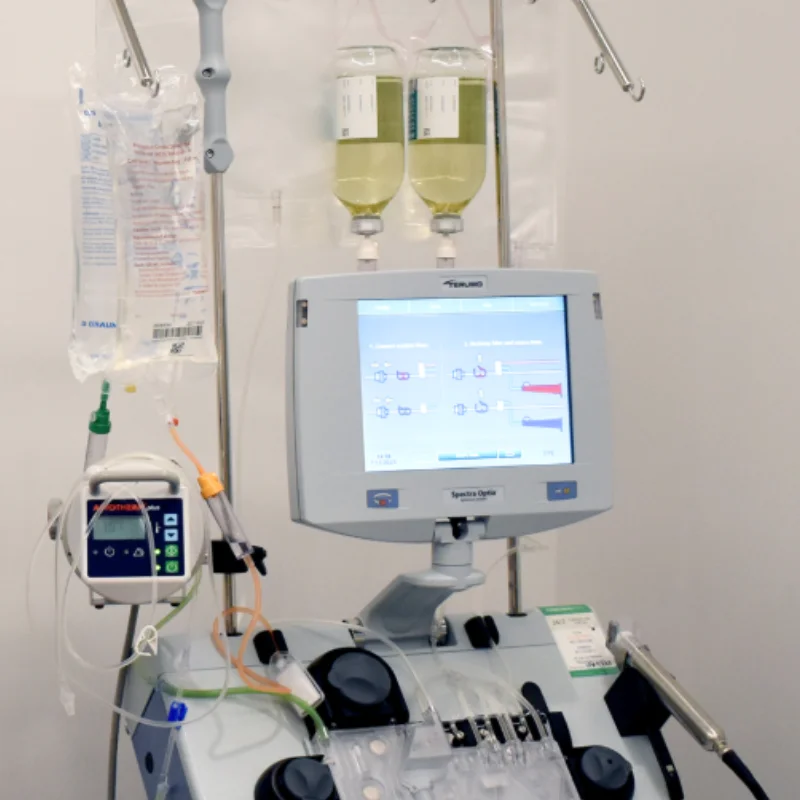
Therapeutic plasma exchange, commonly called plasmapheresis, is an established medical procedure that separates blood plasma from blood cells. During the treatment, plasma is removed and replaced with a substitute solution - typically albumin mixed with saline. Understanding what is plasmapheresis helps explain why plasmapheresis longevity research has gained momentum.
The connection between plasmapheresis and longevity emerged from an entirely different research direction. Scientists studying aging noticed that certain factors in blood plasma change significantly as organisms age. This observation sparked interest in plasmapheresis for longevity applications. Some beneficial compounds decrease while potentially harmful inflammatory markers increase, raising a compelling question: Could plasmapheresis anti aging approaches modify these age-related changes?
Unlike treatments that add something to the body, plasmapheresis works by removal and dilution. This distinction has become central to plasmapheresis longevity research, as emerging evidence suggests that reducing age-elevated factors may be just as important -perhaps more important - than supplementing declining ones. The plasmapheresis for anti-aging hypothesis centers on this removal concept.
The shift from disease treatment to potential plasmapheresis longevity application represents a significant conceptual leap. Traditional plasmapheresis removes specific pathogenic substances causing illness. Plasmapheresis for longevity research asks whether the procedure might address the gradual accumulation of factors associated with aging itself.
The Science Behind Plasmapheresis for Anti-Aging
The scientific foundation for plasmapheresis anti aging research traces back to experiments that seemed almost like science fiction. In 2005, researchers at UC Berkeley conducted parabiosis experiments - surgically joining the circulatory systems of young and old mice so they shared blood (Conboy et al., 2005). These foundational studies set the stage for modern plasmapheresis longevity investigations.
Old mice connected to young partners showed remarkable changes. Their aged muscle stem cells regained regenerative capacity. Liver cells began dividing more actively. Tissues that had shown clear signs of aging appeared to partially reverse course. Something in young blood seemed capable of rejuvenating old tissues—observations that would later inspire plasmapheresis for anti-aging research.
Initial excitement focused on identifying the specific "youth factors" responsible. Researchers hypothesized that young blood contained beneficial proteins that declined with age. One candidate, GDF11, generated particular interest after studies suggested it could improve heart and brain function in aged mice. These findings fueled interest in plasmapheresis longevity applications.
However, the story took an important turn in 2020. The same UC Berkeley laboratory published findings that shifted the entire paradigm of plasmapheresis anti aging thinking (Mehdipour et al., 2020). Instead of adding young blood, they simply diluted old blood plasma with a neutral solution of saline and albumin—essentially performing a modified plasmapheresis procedure with longevity implications.
The results challenged assumptions about how rejuvenation worked. Mice that received neutral blood exchange—without any young blood components—showed improvements in brain, liver, and muscle tissue. The researchers proposed that removing or diluting age-elevated harmful factors might matter more than adding beneficial young factors. This finding transformed plasmapheresis for longevity from speculation into a testable medical approach.
This plasma dilution approach has significant implications for plasmapheresis longevity applications in humans. Rather than requiring young donor plasma (which raises ethical, practical, and safety concerns), therapeutic plasma exchange using standard albumin replacement might achieve similar effects. The plasmapheresis for anti-aging approach is already well-established as a medical procedure, with decades of safety data from disease treatment applications.
The mechanism appears to involve several processes relevant to plasmapheresis anti aging effects. Aging blood accumulates pro-inflammatory cytokines, contributing to what researchers call "inflammaging"—chronic low-grade inflammation associated with age-related diseases (Franceschi & Campisi, 2014). Blood plasma also carries proteins that may actively suppress tissue regeneration. By diluting or removing these factors, plasmapheresis for longevity may help create a more favorable environment for tissue maintenance and repair.
Key Research: From Animal Studies to Human Trials
Understanding the evidence for plasmapheresis longevity applications requires examining studies across the research spectrum, from foundational animal experiments to emerging human clinical trials exploring plasmapheresis for anti-aging potential.
Foundational Animal Studies
The parabiosis experiments established that blood-borne factors influence aging, but subsequent plasma dilution studies provided more directly applicable findings for plasmapheresis longevity research. When researchers performed neutral blood exchange in aged mice, they observed improvements across multiple organ systems.
Brain tissue showed reduced neuroinflammation and improved markers associated with cognitive function. Liver cells demonstrated enhanced regenerative capacity. Muscle satellite cells - the stem cells responsible for muscle repair—regained activity levels closer to those seen in younger animals. These changes support the plasmapheresis anti aging hypothesis and persisted for weeks afterward.
Importantly, the benefits appeared to result primarily from removing negative factors rather than adding positive ones. This finding suggested that the aging body may retain regenerative capacity that becomes suppressed by accumulated plasma components. Remove the suppression through plasmapheresis for longevity approaches, and innate repair mechanisms may function more effectively.
The GDF11 Controversy
The search for specific rejuvenating factors illustrates both the promise and complexity of plasmapheresis longevity research. GDF11 emerged as a leading candidate after Harvard researchers reported that supplementing this protein improved heart and muscle function in aged mice (Sinha et al., 2014).
However, subsequent studies challenged these findings. Questions arose about whether GDF11 truly declines with age and whether supplementation reliably produces benefits. Some researchers found that elevated GDF11 might actually impair muscle regeneration under certain conditions. This controversy doesn't undermine plasmapheresis for anti-aging research—rather, it highlights why the plasma dilution approach may be more practical than targeting specific molecules.
The plasma dilution approach sidesteps this complexity by addressing the overall composition rather than targeting specific molecules. This makes plasmapheresis anti aging approaches more immediately applicable than waiting to identify individual factors.

Human Clinical Evidence
Human research on plasmapheresis for longevity remains in early stages, but several trials have provided important data about plasmapheresis longevity potential.
The PLASMA study conducted at Stanford examined young plasma infusions in patients with mild-to-moderate Alzheimer's disease (Sha et al., 2019). While the trial focused on safety rather than plasmapheresis anti aging efficacy, it established that plasma-based interventions could be conducted safely in older adults.
More directly relevant to plasmapheresis longevity applications, the Buck Institute for Research on Aging initiated a randomized controlled trial specifically examining therapeutic plasma exchange effects on biological age markers in healthy adults. Preliminary 2025 data from this plasmapheresis for anti-aging study suggested improvements in epigenetic age markers—molecular signatures that correlate with biological rather than chronological age.
These plasmapheresis longevity trials remain limited in scope and duration. The safety profile of therapeutic plasma exchange is well-established from decades of disease treatment, but whether plasmapheresis for longevity produces meaningful benefits in humans requires larger, longer studies currently underway.
How Plasmapheresis May Support Longevity
Based on current research, several potential mechanisms have been proposed for how plasmapheresis for longevity might work. It's essential to emphasize that these represent areas of active investigation in plasmapheresis anti aging science rather than proven benefits.
Reducing Age-Related Inflammation
Chronic, low-grade inflammation increases with age and contributes to numerous age-related conditions. Blood plasma carries inflammatory cytokines that may perpetuate this inflammatory state. Research suggests that plasmapheresis longevity benefits may include reducing the inflammatory burden through plasma dilution, though human studies specifically measuring this effect in plasmapheresis for anti-aging contexts are still needed.
Supporting Tissue Regeneration
Animal studies indicate that aged plasma contains factors that suppress stem cell activity and tissue repair. By removing or diluting these suppressive factors, plasmapheresis anti aging approaches may help restore a more regeneration-permissive environment. Whether this plasmapheresis longevity mechanism translates to meaningful tissue maintenance benefits in humans remains under investigation.
Potential Cognitive Effects
The plasma dilution studies in mice showed reduced neuroinflammation and improved markers associated with brain health. Some researchers hypothesize that similar plasmapheresis for longevity effects might occur in humans, potentially supporting cognitive function with aging. This remains one of the most intriguing but least proven potential applications of plasmapheresis anti aging research.
Biomarker Improvements
Preliminary human data suggests that therapeutic plasma exchange may improve certain biological age markers. These plasmapheresis longevity biomarker changes are promising but their relationship to actual healthspan or lifespan outcomes isn't yet established. More plasmapheresis for anti-aging research is needed to connect biomarker improvements to real-world health benefits.
What Remains Unknown
Significant gaps exist in our understanding of plasmapheresis longevity effects. We don't know the optimal frequency or protocol for longevity-focused plasmapheresis anti aging treatments. We don't know which individuals might benefit most or whether benefits persist long-term. These questions define the current plasmapheresis for longevity research frontier.
Plasmapheresis vs. "Young Blood" Transfusions: Key Differences
Media coverage of plasmapheresis longevity research has sometimes conflated different approaches, creating confusion that warrants clarification. Therapeutic plasma exchange differs significantly from "young blood" transfusions, and understanding this distinction is important for anyone interested in plasmapheresis for anti-aging.
In 2019, the FDA issued a warning about clinics offering young plasma infusions as anti-aging treatments. The statement specifically cautioned consumers against these services, noting that no proven clinical benefit for aging conditions had been established and that potential risks included allergic reactions, transfusion-associated infections, and circulatory complications.
The FDA warning targeted services like those offered by the company Ambrosia, which had been selling infusions of plasma from young donors. These services operated outside established medical frameworks and made claims unsupported by rigorous evidence—unlike legitimate plasmapheresis longevity research.
Therapeutic plasmapheresis for anti-aging differs in several key ways:
Removal vs. Addition: TPE works primarily by removing and diluting existing plasma, not by adding young donor material. This plasmapheresis anti aging approach uses standard albumin and saline replacement, not plasma from young donors.
Established Medical Procedure: Plasmapheresis longevity applications build on decades of use treating recognized medical conditions, with well-characterized safety profiles and standardized protocols.
Medical Supervision: Legitimate plasmapheresis for longevity is performed in medical settings with appropriate monitoring, not in storefront clinics making unsupported claims.
Evidence Base: While plasmapheresis anti aging applications remain investigational, the procedure's mechanism and safety are well-understood from its disease treatment history.
This distinction matters for anyone considering plasma-based plasmapheresis longevity approaches. Working with established medical providers who understand both the procedure's established uses and the investigational nature of plasmapheresis for anti-aging applications is essential.

Current Status: What We Know and Don't Know
Providing an honest assessment of the current evidence helps set appropriate expectations for anyone interested in plasmapheresis longevity research and plasmapheresis for anti-aging applications.
What the Evidence Supports
Animal studies consistently demonstrate that modifying blood plasma composition can influence aging markers and tissue function. Multiple laboratories have replicated key findings about plasma dilution effects in plasmapheresis anti aging research, lending confidence to the basic phenomenon.
Therapeutic plasma exchange is safe when performed properly. Decades of clinical use for disease treatment have established the safety profile that makes plasmapheresis longevity research possible.
Human clinical trials are actively investigating plasmapheresis for anti-aging applications. While results are preliminary, the research infrastructure exists to properly evaluate this plasmapheresis longevity approach.
What Remains Uncertain
Long-term effects in healthy humans seeking plasmapheresis anti aging benefits are unknown. Disease treatment typically involves short-term use, while plasmapheresis for longevity applications might imply ongoing treatment.
Optimal protocols for plasmapheresis longevity haven't been established. Questions about frequency, volume, replacement solutions, and duration remain unanswered for plasmapheresis anti aging purposes.
Whether biomarker improvements from plasmapheresis for longevity translate to actual healthspan or lifespan extension isn't established.
Regulatory Context
The American Society for Apheresis (ASFA) maintains guidelines categorizing therapeutic apheresis indications (Padmanabhan et al., 2019). Longevity or anti-aging is not currently a recognized indication in these guidelines. This means that plasmapheresis for longevity represents off-label or investigational use, which is legal and sometimes appropriate but should be approached with full understanding of its status as plasmapheresis anti aging treatment.
Is Plasmapheresis for Longevity Right for You?
Given the current state of evidence, who might reasonably consider exploring plasmapheresis for anti-aging purposes and plasmapheresis longevity potential?
This plasmapheresis anti aging approach may be worth discussing with a qualified physician if you:
Have a strong interest in plasmapheresis longevity optimization and are actively engaged with your health
- Understand and accept the investigational nature of plasmapheresis for anti-aging applications
- Are willing to participate in what essentially remains a learning process
- Can work with medical providers experienced in both therapeutic plasma exchange and longevity medicine
- Have realistic expectations about current plasmapheresis longevity evidence limitations
- Have addressed foundational health factors first
The last point deserves emphasis. No intervention—including plasmapheresis anti aging approaches—substitutes for the fundamentals: appropriate nutrition, regular physical activity, quality sleep, stress management, and preventive medical care. Anyone considering plasmapheresis for longevity should have these foundations solidly in place.
If you're interested in learning more about plasmapheresis longevity applications, the appropriate path involves consultation with physicians who understand both therapeutic plasma exchange and the current state of plasmapheresis for anti-aging research.
Conclusion
Plasmapheresis longevity research represents one of the more intriguing frontiers in aging science. The journey from parabiosis experiments to plasma dilution studies to early human trials has revealed surprising insights about how plasmapheresis for anti-aging might work. The finding that removing age-elevated factors may matter as much or more than adding beneficial ones has reshaped scientific thinking about plasmapheresis anti aging potential.
Yet honest assessment requires acknowledging that plasmapheresis longevity research remains in early stages. Animal studies are promising, the mechanism is plausible, and preliminary human data offers encouragement for plasmapheresis for anti-aging applications. But large-scale, long-term human trials proving plasmapheresis longevity benefits don't yet exist.
At Humanaut Health, we stay current with plasmapheresis longevity research while maintaining evidence-based standards. Our therapeutic plasma exchange services are delivered with the medical rigor that plasmapheresis for anti-aging procedures require. If you're interested in exploring what plasmapheresis anti aging approaches might offer as part of a comprehensive longevity strategy, we welcome the conversation.
The science of plasmapheresis longevity continues advancing. While no intervention currently delivers guaranteed life extension, understanding emerging plasmapheresis for anti-aging research helps you make informed decisions about your health optimization journey.
References
[jeffrey]




