


How Plasmapheresis Helps in Glomerulonephritis Treatment
When your kidneys are under attack from your own immune system, the damage can escalate quickly. Glomerulonephritis - inflammation of the tiny filtering units in your kidneys - can progress from early warning signs to irreversible kidney failure in weeks if driven by aggressive autoantibodies. For patients facing this rapid decline, plasmapheresis for glomerulonephritis offers a way to halt the damage by physically removing the antibodies destroying kidney tissue.
Not every type of glomerulonephritis responds to plasmapheresis, and understanding which conditions benefit is essential for making informed treatment decisions. This guide breaks down the evidence behind plasmapheresis for glomerulonephritis, covering which kidney diseases respond best, what the landmark clinical trials show about dialysis avoidance, treatment protocols, and when this therapy is—and isn't—the right approach. Whether you've been diagnosed with anti-GBM disease, ANCA-associated vasculitis, or rapidly progressive glomerulonephritis, the research can help clarify what to expect.
[banner2]
What Is Glomerulonephritis and How Can Plasmapheresis Help?
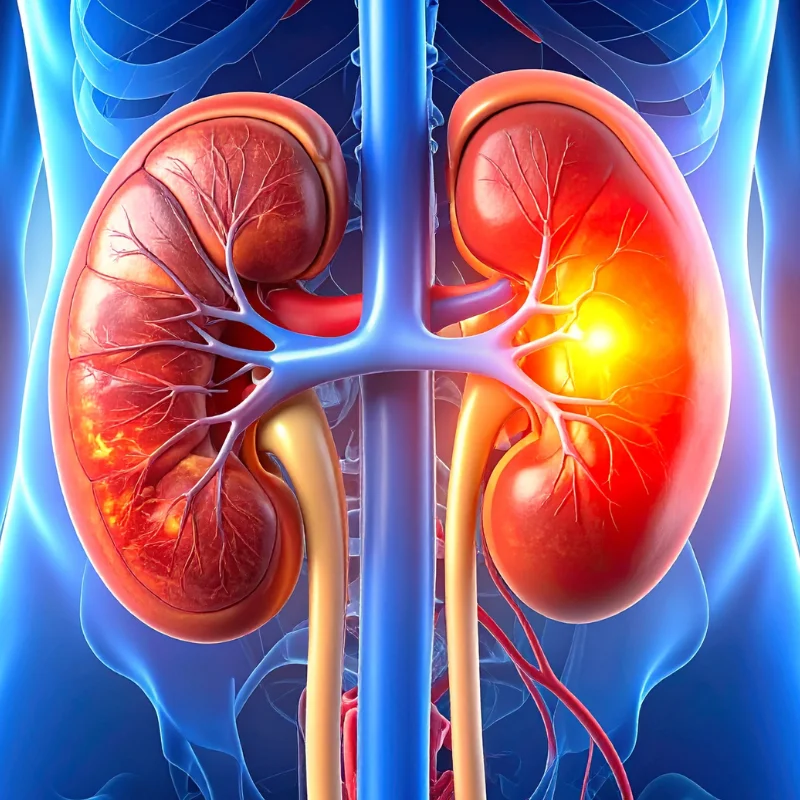
Your kidneys contain roughly one million glomeruli—microscopic clusters of blood vessels that act as filters, removing waste from your blood while keeping essential proteins and cells. Glomerulonephritis occurs when inflammation damages these filters, allowing blood and protein to leak into your urine and impairing your kidneys' ability to clean your blood.
In many forms of glomerulonephritis, the source of that inflammation is autoimmune. Your body produces antibodies that target kidney tissue directly—as in anti-GBM disease—or produces antibodies that trigger widespread blood vessel inflammation affecting the kidneys, as in ANCA-associated vasculitis. In either case, circulating antibodies and immune complexes deposit in the glomeruli, activating inflammation that progressively destroys kidney function.
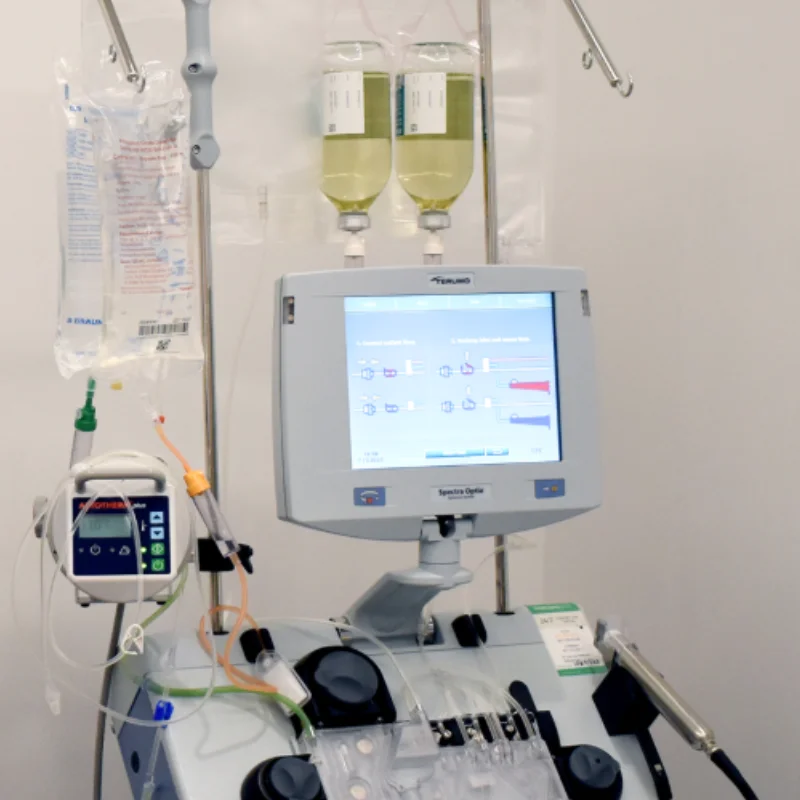
This is where plasmapheresis becomes relevant. The procedure separates your blood, removes the plasma containing harmful autoantibodies and immune complexes, and returns your blood cells with clean replacement fluid. For antibody-driven kidney disease, this directly addresses the root cause—removing the molecules doing the damage rather than waiting for immunosuppressive medications to slowly reduce their production.
The speed advantage matters enormously with kidney disease. Immunosuppressive drugs may take weeks to months to suppress antibody production significantly. Plasmapheresis for glomerulonephritis can reduce circulating antibody levels by over 90% within two weeks (StatPearls: Plasmapheresis). When kidney function is deteriorating rapidly, that difference in timing can determine whether kidneys recover or fail permanently.
Types of Glomerulonephritis Treated with Plasmapheresis
The critical point that many general resources miss: plasmapheresis does not benefit all types of glomerulonephritis equally. The American Society for Apheresis (ASFA) classifies each condition separately, and the evidence varies dramatically by type (Padmanabhan et al., J Clin Apher, 2023).
Anti-GBM Disease (Goodpasture Syndrome) - First-Line Treatment
Anti-GBM disease is the strongest indication for plasmapheresis in kidney disease. In this condition, your immune system produces antibodies that directly attack the glomerular basement membrane—the structural foundation of your kidney filters. These same antibodies can also attack the lungs, causing dangerous pulmonary hemorrhage.
ASFA classifies anti-GBM disease as Category I, meaning plasmapheresis is a first-line, standard-of-care treatment. The protocol involves daily plasmapheresis sessions until anti-GBM antibodies become undetectable in blood tests, typically requiring 5-10 sessions.
The outcomes with aggressive treatment are striking. Five-year survival rates reach 80-92%—a dramatic improvement from the less-than-20% survival observed before plasmapheresis became standard care (Pusey, Semin Immunopathol, 2014). Fewer than 30% of patients require long-term dialysis when treatment begins promptly.
However, timing is everything. Kidney outcomes depend heavily on how advanced the disease is when treatment starts:
Creatinine below 500 μmol/L: 95% retain kidney function at one year
- Creatinine 500-1,000 μmol/L (not yet on dialysis): 82% retain kidney function
- Already dialysis-dependent at presentation: Only 8% recover kidney function
These numbers underscore a clear message: the earlier plasmapheresis for glomerulonephritis begins in anti-GBM disease, the better the chance of saving kidney function.
ANCA-Associated Vasculitis - Evidence-Based but Nuanced
ANCA-associated vasculitis involves antibodies (either MPO-ANCA or PR3-ANCA) that attack small blood vessels throughout the body, with the kidneys frequently affected. The ASFA classifies this as Category II - supported as a second-line or adjunctive therapy, particularly when kidney impairment is severe.
The evidence here is substantial but requires careful interpretation, as two major trials reached different conclusions about long-term outcomes.
Rapidly Progressive Glomerulonephritis (RPGN)
RPGN isn't a single disease but an urgent clinical pattern where kidney function declines rapidly over days to weeks. On kidney biopsy, RPGN shows characteristic crescent-shaped formations in the glomeruli. The underlying cause breaks down as follows: anti-GBM disease accounts for 5-10% of cases, ANCA-associated vasculitis for 50-60%, and immune complex deposition for 20-30% (StatPearls: RPGN).
For plasmapheresis in RPGN, the histological findings matter enormously:
Cellular crescents: These represent active inflammation that is potentially reversible with prompt treatment
Fibrous crescents: These indicate scarring that cannot be reversed regardless of therapy
This distinction means kidney biopsy findings directly influence whether plasmapheresis for glomerulonephritis is likely to help. When predominantly cellular crescents are present and treatment begins within the first two weeks of symptom onset, some patients—even those initially requiring dialysis—can recover enough kidney function to come off dialysis.
Lupus Nephritis - Not Recommended
This is an important distinction for patients with lupus-related kidney disease. Despite lupus nephritis being an autoimmune condition affecting the kidneys, plasmapheresis is classified as ASFA Category IV - meaning the evidence shows it does not provide benefit for routine use.
A randomized controlled trial of 86 patients with Class IV lupus nephritis found that adding plasmapheresis to standard immunosuppressive therapy provided no additional benefit (Euler et al., N Engl J Med, 1992). Standard immunosuppressive regimens remain the appropriate treatment for lupus nephritis.
The one exception: lupus patients who develop thrombotic microangiopathy—a distinct complication affecting blood clotting in small vessels—may still benefit from plasmapheresis, but this is a separate indication from the nephritis itself.
How Plasmapheresis Protects Kidney Function
Understanding the mechanism behind plasmapheresis for glomerulonephritis helps explain both why it works and why timing matters so much.
In antibody-mediated kidney disease, damage follows a predictable sequence. Autoantibodies circulate in the blood, deposit in the glomeruli, and activate complement—a cascade of inflammatory proteins. This triggers the recruitment of immune cells, which release enzymes and inflammatory mediators that progressively destroy the delicate glomerular structure.
Plasmapheresis intervenes at the earliest step of this cascade by removing the circulating autoantibodies before they can deposit in the kidneys. A typical course of 5-8 sessions over two weeks reduces antibody levels by over 90%, far faster than immunosuppressive medications alone can achieve (StatPearls: Plasmapheresis).
Beyond autoantibodies, the procedure also removes:
Circulating immune complexes that deposit in glomeruli
- Complement components (C3, C5) that amplify inflammation
- Inflammatory cytokines that sustain tissue damage
This comprehensive removal creates a window of reduced immune attack, giving the kidneys a chance to begin healing while immunosuppressive medications build to therapeutic levels. The combination approach—plasmapheresis for immediate antibody removal plus immunosuppression to prevent new antibody production—is more effective than either strategy alone.
The time-sensitivity becomes clear when you consider kidney repair. Glomerular cells can recover from acute inflammatory injury, but once fibrosis (scarring) sets in, the damage becomes permanent. Every day that harmful antibodies continue circulating means more glomeruli transition from recoverable inflammation to irreversible scarring.
Efficacy: What the Research Shows
Two landmark clinical trials form the backbone of evidence for plasmapheresis in glomerulonephritis related to ANCA vasculitis. Their findings are complementary, though they're sometimes presented as contradictory.
The MEPEX Trial (2007)
The MEPEX trial randomized 137 patients with ANCA-associated vasculitis and severe kidney failure (creatinine above 5.8 mg/dL) to receive either plasma exchange or high-dose intravenous methylprednisolone in addition to standard immunosuppressive therapy (Jayne et al., J Am Soc Nephrol, 2007).
Key results:
Dialysis independence at 12 months: 81% with plasmapheresis vs. 57% with steroids alone
- End-stage kidney disease rate: 19% with plasmapheresis vs. 43% with steroids
- Hazard ratio: 0.47 favoring plasma exchange—meaning roughly half the risk of progressing to kidney failure
These results established plasmapheresis as a valuable treatment for severe ANCA vasculitis affecting the kidneys. However, long-term follow-up showed that by four years, the difference in kidney failure rates between groups narrowed, suggesting the early protective benefit may not persist indefinitely.
The PEXIVAS Trial (2020)
PEXIVAS was the largest trial ever conducted on this question, enrolling 704 patients with severe ANCA-associated vasculitis across 95 centers worldwide (Walsh et al., N Engl J Med, 2020).
Primary finding: No statistically significant difference in the combined outcome of death or end-stage kidney disease between plasma exchange and no plasma exchange groups.
This result led some to conclude that plasmapheresis doesn't work for ANCA vasculitis. But a closer look reveals important nuance.
Secondary finding: A pre-planned analysis of kidney function recovery showed that patients who received plasma exchange had significantly faster improvement in estimated glomerular filtration rate (eGFR) at weeks 2, 4, and 8, with the greatest benefit at week 4 (Villa-Bellosta et al., Kidney Int, 2024).
How to Reconcile MEPEX and PEXIVAS
The apparent contradiction between these trials has a straightforward explanation. MEPEX enrolled only patients with very severe kidney failure (creatinine above 5.8 mg/dL), while PEXIVAS enrolled a broader population including patients with less severe kidney involvement. The benefit of plasmapheresis for glomerulonephritis appears most pronounced in the sickest patients - those at highest risk of progressing to dialysis.
Additionally, PEXIVAS used a more effective baseline immunosuppressive regimen than MEPEX. When standard treatment is already strong, the additional benefit from plasmapheresis is smaller - but for patients with severe disease who are at immediate risk of losing kidney function, that incremental benefit of faster recovery can still be clinically meaningful.
Anti-GBM Disease Outcomes
For anti-GBM disease, the evidence is based primarily on case series and expert consensus rather than randomized trials—because the disease is rare and plasmapheresis became standard care before large trials were conducted. Nevertheless, the outcomes are compelling:
Five-year patient survival: 80-92%
- Kidney preservation with early treatment: Up to 95% when creatinine is below 500 μmol/L
- Long-term dialysis requirement: Fewer than 30% of aggressively treated patients
Can Plasmapheresis Help Avoid Dialysis?
This is perhaps the most important question for patients facing kidney-threatening glomerulonephritis. The answer depends on the specific type and severity.
Anti-GBM disease: Yes - aggressive treatment including plasmapheresis is associated with fewer than 30% of patients requiring long-term dialysis when started early. Early intervention is the critical variable, as patients already on dialysis at presentation have only an 8% chance of recovering kidney function (Pusey, Semin Immunopathol, 2014).
ANCA vasculitis with severe kidney impairment: Yes, particularly when creatinine exceeds 5.7 mg/dL. The MEPEX trial showed 81% remained dialysis-free at 12 months with plasmapheresis compared to 57% without (Jayne et al., J Am Soc Nephrol, 2007).
ANCA vasculitis overall: The picture is more complex. PEXIVAS showed faster kidney recovery with plasmapheresis but no significant long-term difference in dialysis rates across all severity levels. The benefit appears concentrated in the most severely affected patients.
Lupus nephritis: No - plasmapheresis does not appear to reduce dialysis risk beyond what standard immunosuppression achieves.
The timing factor: Across all responsive conditions, earlier treatment consistently produces better outcomes. Once kidney damage progresses from active inflammation (cellular crescents) to scarring (fibrous crescents), no treatment can reverse it. This makes early diagnosis, rapid evaluation, and prompt initiation of plasmapheresis critical for kidney preservation.
Treatment Protocol for Kidney Disease
What does plasmapheresis for glomerulonephritis actually look like in practice? The protocol varies by condition and severity (Winters, Am J Kidney Dis, 2023).
ANCA-Associated Vasculitis
- Standard protocol: 7 sessions over 14 days
- Severe cases (creatinine ≥5.7 mg/dL): Up to 12 sessions
- Volume exchanged: 1-1.5 plasma volumes per session (approximately 3-4 liters)
- Replacement fluid: Albumin (or fresh frozen plasma if active bleeding)
- Combined with: Cyclophosphamide or rituximab plus glucocorticoids
Anti-GBM Disease
- Protocol: Daily sessions until anti-GBM antibodies are undetectable
- Typical duration: 5-10 sessions over 1-2 weeks
- Monitoring: Anti-GBM antibody levels checked regularly to confirm clearance
- Combined with: Cyclophosphamide and corticosteroids
General Considerations
Each session typically lasts 2-4 hours. Between sessions, your medical team monitors kidney function through creatinine levels, urine output, and antibody measurements. The treatment is almost always administered in conjunction with immunosuppressive medications—plasmapheresis handles existing antibodies while immunosuppression prevents new ones from being produced.
Reported complications are generally manageable. The most common include pruritus (itching) in about 7% of patients, transient hypertension in 1.9%, and hypotension in 1.2%. Serious complications occur in fewer than 3% of patients.
When Plasmapheresis Is (and Isn't) Recommended
Clear guidelines exist for when plasmapheresis for glomerulonephritis is appropriate, based on the ASFA classification system (Padmanabhan et al., J Clin Apher, 2023).
Recommended (ASFA Categories I-II)
- Anti-GBM disease with any kidney involvement — Category I (first-line)
- Anti-GBM disease with pulmonary hemorrhage — Category I
- ANCA vasculitis with severe renal impairment (creatinine ≥5.7 mg/dL) — Category II
- ANCA vasculitis with diffuse alveolar hemorrhage — Category II
- RPGN with early cellular crescents on biopsy — Category II
Not Recommended (ASFA Category IV)
- Lupus nephritis (routine use) — no benefit shown
- Mild ANCA vasculitis without severe organ involvement
- Irreversible fibrosis — fibrous crescents on biopsy indicate scarring that plasmapheresis cannot reverse
The Importance of Specialist Evaluation
Individual circumstances matter greatly with kidney disease. Your nephrologist will consider factors including:
- The specific type and severity of glomerulonephritis
- Kidney biopsy findings (cellular vs. fibrous crescents)
- Current kidney function and rate of decline
- Whether you're already on dialysis
- Response to initial immunosuppressive therapy
- Presence of lung involvement
These factors collectively determine whether plasmapheresis is likely to help in your specific situation.
Frequently Asked Questions
What is plasmapheresis for glomerulonephritis?
Plasmapheresis for glomerulonephritis is a blood-filtering treatment that removes harmful autoantibodies and immune complexes from the bloodstream. By eliminating the molecules that attack kidney tissue, it may help preserve kidney function in specific types of antibody-driven kidney disease, particularly anti-GBM disease and severe ANCA vasculitis.
Does plasmapheresis work for all types of kidney disease?
No. Plasmapheresis is most effective for antibody-mediated glomerulonephritis, specifically anti-GBM disease (ASFA Category I) and ANCA vasculitis with severe kidney impairment (Category II). It is not recommended for lupus nephritis, where clinical trials have shown no additional benefit over standard immunosuppression (Euler et al., N Engl J Med, 1992).
Can plasmapheresis prevent the need for dialysis?
In the right conditions, yes. The MEPEX trial showed 81% of severe ANCA vasculitis patients remained dialysis-free at 12 months with plasmapheresis, compared to 57% without it. For anti-GBM disease, fewer than 30% of aggressively treated patients require long-term dialysis. However, outcomes depend heavily on how early treatment begins.
How many plasmapheresis sessions are needed for kidney disease?
The number of sessions varies by condition. ANCA vasculitis typically requires 7 sessions over 14 days, with up to 12 for severe cases. Anti-GBM disease requires daily sessions until antibodies are undetectable, usually 5-10 sessions. Your nephrologist will adjust the protocol based on your response (Winters, Am J Kidney Dis, 2023).
What is the difference between the MEPEX and PEXIVAS trials?
Both studied plasmapheresis for ANCA vasculitis, but in different populations. MEPEX (2007) enrolled only patients with very severe kidney failure and found strong benefit—81% vs. 57% dialysis-free at one year. PEXIVAS (2020) enrolled a broader range of patients and found no overall difference in long-term outcomes, but did show faster kidney recovery in the short term. The benefit appears greatest for the sickest patients.
Is plasmapheresis safe for kidney patients?
Plasmapheresis has a well-established safety profile. The most common side effects include itching (7%), temporary blood pressure changes (1-3%), and fatigue. Serious complications occur in fewer than 3% of patients. Your medical team monitors you throughout each session and adjusts treatment if any issues arise.
How quickly does plasmapheresis improve kidney function?
Kidney function improvement may begin within the first week of treatment. The PEXIVAS secondary analysis found significantly better eGFR at weeks 2, 4, and 8, with the greatest improvement at week 4. However, full recovery takes longer and depends on the extent of damage already present.
Why is plasmapheresis combined with immunosuppressive drugs?
Plasmapheresis removes existing antibodies but doesn't stop your body from producing new ones. Immunosuppressive medications—such as cyclophosphamide or rituximab—suppress the immune cells that manufacture autoantibodies. Together, they address both existing damage and prevent future attack, which is why combination therapy is standard for all indications.
Key Takeaways
- Plasmapheresis for glomerulonephritis is most effective for anti-GBM disease (first-line) and severe ANCA vasculitis (adjunctive therapy)
- Anti-GBM disease outcomes are compelling: 80-92% five-year survival and fewer than 30% requiring long-term dialysis with early treatment
- ANCA vasculitis with severe kidney impairment benefits most—the MEPEX trial showed 81% dialysis-free at 12 months vs. 57% without plasmapheresis
- Lupus nephritis does not benefit from plasmapheresis based on clinical trial evidence
- Timing is critical—earlier treatment consistently produces better kidney outcomes, especially before irreversible scarring occurs
- Treatment protocols involve 5-12 sessions over 1-4 weeks, always combined with immunosuppressive therapy
- Not all glomerulonephritis is the same—kidney biopsy findings, specific antibody type, and baseline kidney function all influence whether plasmapheresis is appropriate
For patients exploring evidence-based kidney therapies, Humanaut Health offers therapeutic plasma exchange delivered with concierge-level, personalized care. If you'd like to learn more about how plasmapheresis may fit into your treatment plan, our team is here to help.
References
- Padmanabhan A, et al. "Guidelines on the Use of Therapeutic Apheresis in Clinical Practice — Ninth Edition." J Clin Apher. 2023;38(2):77-278. DOI: 10.1002/jca.22043
- Jayne DRW, et al. "Randomized Trial of Plasma Exchange or High-Dosage Methylprednisolone as Adjunctive Therapy for Severe Systemic Vasculitis." J Am Soc Nephrol. 2007;18(7):2180-2188. DOI: 10.1681/ASN.2007010160
- Walsh M, et al. "Plasma Exchange and Glucocorticoids in Severe ANCA-Associated Vasculitis." N Engl J Med. 2020;382(7):622-631. DOI: 10.1056/NEJMoa1803537
- Villa-Bellosta R, et al. "Effects of Plasma Exchange on Early Kidney Function in ANCA-Associated Vasculitis." Kidney Int. 2024;106(9):1138-1150. DOI: 10.1016/j.kint.2024.07.013
- Pusey CD. "Anti-Glomerular Basement Membrane Disease." Semin Immunopathol. 2014;36(4):517-535. DOI: 10.1007/s00281-014-0445-x
- Euler HH, et al. "A Controlled Trial of Plasmapheresis in Severe Lupus Nephritis." N Engl J Med. 1992;328(6):382-388. DOI: 10.1056/NEJM199205213262101
- Winters JL. "Therapeutic Plasma Exchange: Core Curriculum 2023." Am J Kidney Dis. 2023;81(6):838-850. DOI: 10.1053/j.ajkd.2022.07.015
- StatPearls: Plasmapheresis. NCBI Bookshelf. Available at: https://www.ncbi.nlm.nih.gov/books/NBK560566/
- StatPearls: Rapidly Progressive Glomerulonephritis. NCBI Bookshelf. Available at: https://www.ncbi.nlm.nih.gov/books/NBK560851/
[killen]




